Category Archives: News & Updates

SUPPORTING A LOVED ONE WITH DEMENTIA PART 2

GETTING OUT AND ABOUT WITH DEMENTIA PATIENTS

Our previous blog post focussed on coping with dementia in the home.  Now we turn our attention to dealing with dementia when you are outside the house, sharing tips our registered carers have gathered whilst looking after Otus clients.

If you are the main carer for someone suffering dementia, you’ll have first-hand experience of all the symptoms and how hard it can be to cope, particularly when out and about in public places.  It’s easy to see why you might make a decision to stay home as much of the time as possible, simply for an easier life. Any change of scene can cause unpredictable behaviour which may include agitation, calling out, forgetfulness, repetition or aggression, all of which draw additional attention to the dementia sufferer and could cause even more upset.

However, research has shown it’s very beneficial for dementia sufferers, whenever possible, to be outdoors.  Access to nature has been found to help reduce stress, anxiety and depression – all common emotions for someone suffering in this way.

Prioritising getting out to take exercise is also a good idea.  Any type of exercise which causes the release of mood-boosting endorphins, is believed to help reduce the progression of dementia, and has a positive effect on emotional and social health as well as general fitness levels.

Carers registered with Otus Live-in Care are often called upon to care for our clients who are suffering from different levels of dementia.  We encourage them to share their experiences and the strategies they use to help minimise stress and help those suffering deal with the condition more effectively.   Here are some of their tips:

Make a plan – work out exactly where you are going, how you will get there and which facilities are available in advance. You might want somewhere with a guaranteed parking space, or particular toilet facilities.

Check the venue – find out what they can provide to make your trip a bit easier. Many venues will be happy to provide you with a wheelchair or advise on the best choice of table if you want a quiet corner.

Avoid noisy places – often dementia sufferers will struggle to cope in a very busy or bustling environment, especially if there are loud noises. Try to identify quieter places to go. Avoid the busy times such as school holidays or market days.

Take baby steps – take a short visit somewhere to start, and build up to longer outings.

Stimulate the senses – pleasant smells and sounds such as those found in a garden centre may be very soothing for a dementia patient.

Shopping – try to go to familiar places, where the staff know you or your relative. Avoid large, busy shops with lots of choice.  ‘Dementia Friendly’ venues are springing up across the country where staff have better awareness and understanding of how to make shopping an easier and more pleasant experience for people living with dementia.

Familiar places – prioritise visiting somewhere that might trigger memories from a working life or where the person has enjoyed taking part in activities. If they have previously enjoyed bowls, it could be a walk up to watch the crown bowling, or for an animal lover, a visit to a garden centre where they have an animal petting area.

Take regular breaks – don’t forget to take a break.  You’ll both need to make sure that you are resting regularly. Looking after a dementia sufferer can be very tiring work and he or she will welcome the break too.

A live-in carer should, where possible, make sure that their client is given every opportunity to get out in the fresh air.   Otus registered carers are experts in meeting the needs of dementia sufferers and have spent many hours taking their clients on outings to stimulate them or to help them get errands done.

If you have any questions about the effects of dementia, what to expect or how a carer could help you, please get in touch. We are more than happy to answer your questions and provide ‘no-obligation’ advice – we are all ‘Dementia Friends’ – 01403 710119.

SUPPORTING A LOVED ONE WITH DEMENTIA

WHAT IS DEMENTIA AND HOW CAN WE HELP?

Dementia is regularly in the headlines, but over the next few weeks, there will be more of a focus in the media, stimulated by Dementia Awareness Week which starts next week (15 – 21 May). So this month, we are looking at the effects dementia can have on the sufferer and how family members and carers can help those suffering feel more comfortable. Dementia can be scary for both the sufferer and their loved ones. But to quote the Alzheimer’s Society “we believe that life doesn’t end when dementia begins.”

The UK’s ageing population and improvements in diagnosis have both contributed to a huge rise in the number of cases of dementia reported. It is estimated that 850,000 people are living with it today, but, according to the charity, Dementia UK, this could rise to over a million by 2025.

Dementia is a broad umbrella term, used to describe a range of progressive neurological disorders. Every individual will experience it in a unique way and may be suffering from a combination of different diseases that are damaging the brain. Symptoms can include difficulty with communication, memory problems and reduced cognitive ability.

Alzheimer’s disease is just one type of disease which causes dementia. It’s actually the most common cause of dementia in the UK. Symptoms of Alzheimer’s disease affect five main areas – memory, cognitive ability, insight, language and spatial awareness.

Perhaps you have had your suspicions that a parent or relative is experiencing dementia for a while – sufferers often rely on habits and routine to cover up their symptoms – but eventually a visit to the GP will be unavoidable. Getting a confirmed diagnosis can be something of a shock.

You may be wondering what you can do to support the person in their home, to minimise symptoms and make everyday life as easy and comfortable as possible. Whether you intend to care for your relative yourself or engage a company such as Otus Live-In Care, there are some simple steps that you can take to ease the stress associated with dementia – both for the person affected and the carer. Here are some tips:

Personal Care – help your relative maintain their routines for as long as they can. If your relative needs help with washing and bathing, take their feelings into consideration. If it’s one of your parents he or she may not want their child doing this for them, or conversely, they may prefer a close relative helping with personal care, rather than a stranger. Try to find out how they feel about this.

Clothing – this is a surprisingly important factor for dementia patients. What you choose to wear is a way of expressing identity and personal style, and it’s best to help someone suffering from dementia to maintain these facets of their personality.
 
Be Active – Encourage your relative to get involved in hobbies they have enjoyed in the past. Activities that help to stir memories, encourage emotional connections with others or self-expression will help sufferers to feel more engaged with life.

Bear in mind that some activities they’ve done in the past will now need to be adapted for their safety or practicality, and that some pastimes your relative once enjoyed may now make them feel overwhelmed or frustrated. Here are a few activities which Otus registered carers have found help stimulate and prompt the memory of their clients:

Listening to music – this can help them to recall past activities, provide a sense of familiarity, and encourage relaxation. It may also lead to dancing, touching of hands or hugging, all of which stimulate emotional security and memories.

Baking a cake – any activity which provides cognitive stimulation have a positive effect on memory and thinking.

Exercise, such as yoga or walking – the better they feel, the more they can enjoy life. Maintaining physical fitness should still be a priority.

Look out for our next blog, which will focus how getting out of the house can benefit dementia suffers. In the meantime, if you’ve got questions about this topic, or how Otus could help with your care needs, we’d love to hear from you. Call the Otus Live-in Care team on 01403 710119 without obligation.

GARDENING IS GOOD FOR YOU!

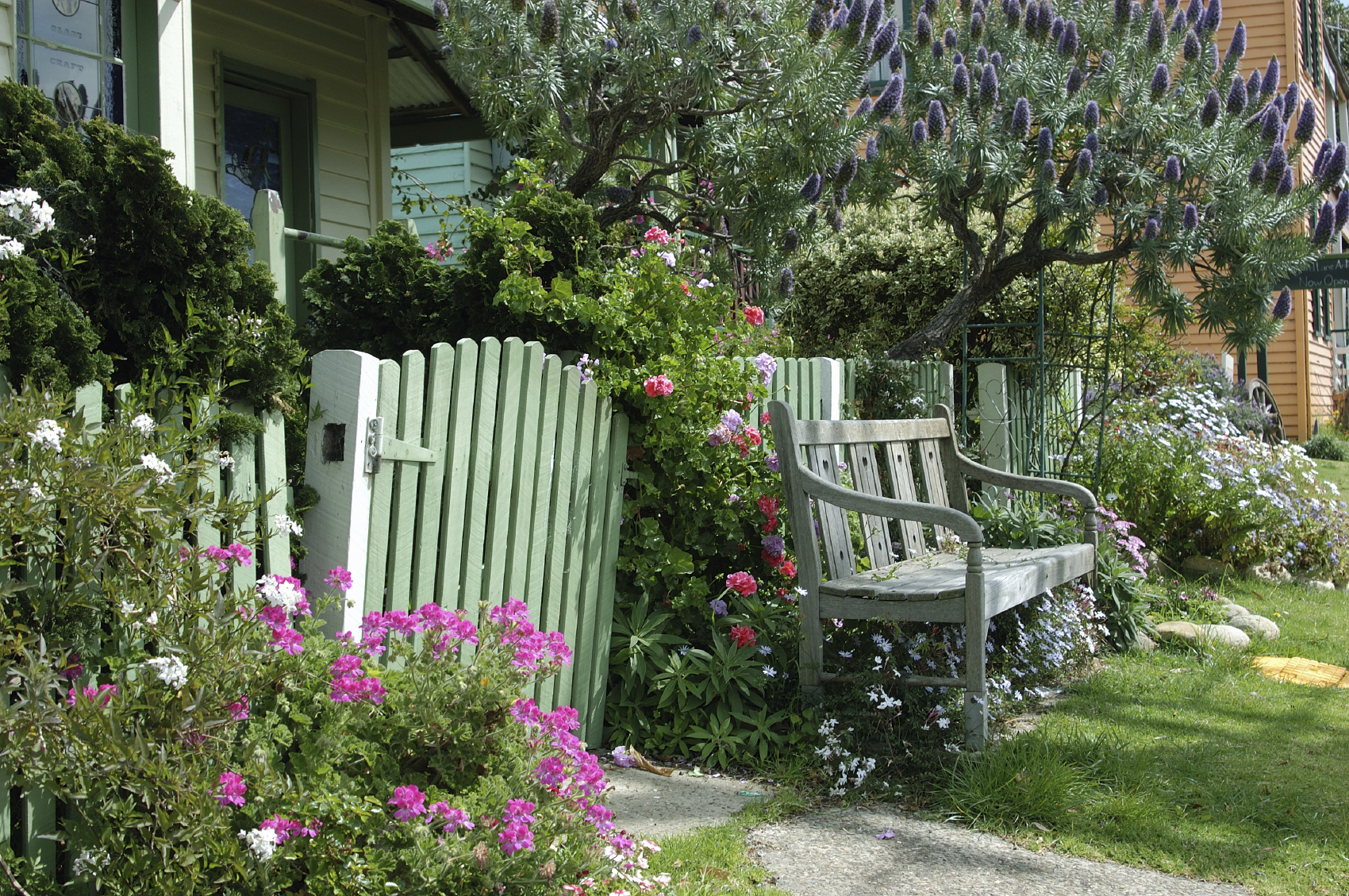
HOLD ON TO YOUR GARDEN, IF YOU CAN!

5

If you are responsible for taking care of an elderly or frail relative, at some stage you might be considering moving them away from their house with a garden into accommodation that doesn’t have any outside space. We want you to reconsider! We have seen lots of elderly people benefit from keeping their garden going as they get older. Yes, help is often needed to keep it in shape but pottering in the garden can have a really positive effect on health.

In the UK, a high proportion of older people, particularly women, suffer from osteoporosis. As you age, your bone density reduces, leaving you at risk of ‘crumbling’ bones or a fracture if you fall. Many factors increase your chance of developing osteoporosis, including smoking, a poor diet, an overactive thyroid, or the lack of ‘weight bearing’ exercise. Exercise that qualifies as ‘weight-bearing’ includes walking, Pilates, tennis, dancing and, you guessed it – gardening! It is the ideal way to try to maintain bone density as we age.

Getting out in the fresh air has other benefits too. Absorption of vitamin D – provided by exposure to sunlight – is vital for optimum health. Low levels of vitamin D are linked to a weakened immune system, emotional ups and downs, depression, anxiety, weak bones, auto immune diseases like Multiple Sclerosis and cancer. You can get vitamin D from food sources, such as mushrooms and eggs, but not in big enough doses to be effective. Ideally you should be aiming for 15-20 minutes of sun exposure (without sun screen), per day to maintain a healthy level of vitamin D. There is also research that shows physical, as well as visual access to nature helps people recover from illness quicker, can reduce stress and lower blood pressure. And, it turns out even the dirt under your fingernails may be working in your favour as well! The ‘friendly’ soil bacteria Mycobacterium vaccae — common in garden dirt and absorbed by inhalation or ingestion on vegetables — has been found to alleviate symptoms of psoriasis, allergies and asthma. It can also trigger the release of serotonin which in turn elevates mood and decreases anxiety.

The psychological effect of spending time growing flowers and vegetables should be a consideration too. Gardening is by its nature a cyclical process. Looking forward to the next growing season and planning what to plant is a massive help with getting through the long winter. When summer arrives, sitting in a deck chair looking at what you’ve achieved can be a massive happiness booster too!

Of course, not all of us are able to carry out tasks such as digging or mowing. But, just getting up out of the chair and moving around to do a bit of potting or pruning can have a beneficial effect on our bones and our general circulation, joint flexibility and health.

Helping and encouraging you to be active, getting out into the fresh air and even helping in the garden are all things that a live-in carer can do. As well as helping to tend a garden, a live-in carer can escort you on trips to a garden centre to buy what you need, take you out for the day to visit local stately homes and gardens to see how the professionals do it. At Otus Live-in Care, we supply experienced and skilled live-in carers. We also focus on making sure we introduce clients and carers who are compatible, so that you can do things that you both enjoy.

For more information on our live-in care services, please call us on 01403 710119. Our team is always happy to answer questions you might have about how live-in care could help you or an elderly relative, without obligation.

PET BENEFITS AND THE ELDERLY

HOW PETS CAN HELP THE ELDERLY TO LIVE LONGER, HAPPIER LIVES

Who in the family is most likely to show how pleased they are to see you when you return home? Most likely, it’s your trusty canine companion. You get a lovely warm glow from saying hello to your dog. This is commonly referred to as the ‘pet effect’. And, it’s not just limited to our dogs. Studies have found that cat owners are 40% less likely to have a stroke or heart attack than their feline-free friends. Research has also shown that pets in general can have a calming influence for those suffering from all levels of dementia, helping to alleviate agitation, depression, and anxiety.

On paper, it might seem that for an older person the responsibility of looking after a pet is simply too much to ask: a dog might live for 15 years and by then, who knows what might have happened to their human carer. But, in actual fact, the positive factors of pet ownership far outweigh the negatives.

So what are the benefits?

Sense of purpose Caring for a pet can provide a role and give a sense of purpose, particularly for older people living on their own. Owning a pet can be hugely rewarding and have a positive effect on health. It can lead to a reduction in stress, a decrease in blood pressure and heartrate, and can help lower anxiety levels.

Exercise Purely on the physical side, pets need walking, feeding, watering, grooming and playing with. All these activities require some sort of movement from their owners. Just getting up out of your chair a few times a day to let a cat in can help with flexibility and can be of benefit to the cardiovascular system.

Companionship Pets can also help prevent isolation. Not only do they provide a source of companionship, but in the case of a dog, having a daily walk routine gives a genuine reason to get out in the fresh air with the added benefit of interacting with other people walking in your area. Many lifelong friendships are forged between dog owners who want a walking partner. This opportunity for interaction can be an important secret weapon against depression.

Motivation Another way in which the ‘pet effect’ can protect older people from depression, is by providing a reason to get up every morning. No one can stay in bed while a dog or cat is whining for their breakfast, and the feeling of being needed helps older people to thrive when they are living alone.

There is a lot of evidence that pets can have a positive effect on the elderly, even if it is only as a visitor. Many nursing homes and even some hospitals, welcome owners and their pets, particularly dogs, to visit residents and patients, offering therapeutic support as well as a welcome activity to break potential boredom.

For anyone concerned about the longer term responsibility of owning and looking after a pet, there are groups that can help. For example, The Cinnamon Trust is a charity than can offer support. A network of 15,000 volunteers ‘hold hands’ with owners to provide vital loving care for their pets. They will help keep them together – for example, walk a dog every day for a housebound owner or foster pets when owners need hospital care.

Many of Otus Live-in Care’s registered carers are happy to look after a client’s pets. They certainly know the benefits having a pet can bring to their clients.

The Otus team is always happy to answer any questions you might have about how live-in care could help you or an elderly relative. Call 01403 710119 for a ‘no-obligation’ chat.

CARING FOR A PATIENT WITH SUNDOWNERS SYNDROME

Sundowners Syndrome – What is it and how can you help?

3

Spring is in the air and this Easter weekend, at 1am on Sunday, clocks in the UK will jump forward by one hour as we enter British Summer Time. The majority of us will be looking forward to the longer days of summer, but for anyone suffering from Sundowners Syndrome, our clocks ‘springing’ forward might not be so welcome.

Sundowners Syndrome is a psychological condition that affects some people suffering with Alzheimer’s or dementia. The term ‘sundowning’ is used due to the timing of a person’s confusion. Patients with Sundowners Syndrome may not show any signs of dementia at all during the day, but during the evening, often as the sun sets, they start to experience symptoms such as confusion, memory loss, agitation and even anger. The clock change and the longer days can add to this confusion.

Sundowners Syndrome is usually associated with early stage Alzheimer’s, but it can also appear in older people in unfamiliar surroundings or recovering from an operation. In these cases it is believed to be triggered as a side-effect of pain relief medication. Reported symptoms include anger, violence, crying, agitation, fear, depression, pacing and restlessness.

Research has yet to reveal what causes this syndrome. A few theories are being researched, but they are yet to be narrowed down to a definitive answer. Some experts believe that accumulation of sensory stimulation throughout the day can cause the individual to become overwhelmed and cause stress. Others say it is caused by a hormonal imbalance during the night, or believe that it is anxiety caused by the increasing darkness and the inability to see. Researchers have also theorised that hunger, a drop in blood pressure after a meal (which temporarily takes oxygen away from the brain), or changes in glucose levels in the blood after eating in people with diabetes, may bring on this agitation and confusion.

Registered carers at Otus Live-in Care are familiar with Sundowners Syndrome and have a number of strategies they can apply for effective care. Here are some of their tips:

• Get a routine in place. An active morning and a rest at lunchtime will help to avoid over-stimulation in the evening.

• Record the patient’s diet. When you keep an eye on which foods are being consumed, you might be able to see a link between certain foods and the appearance of symptoms. The ‘trigger’ foods can then be eliminated from the diet.

• Be calm. Keep noise and activity to a minimum in the late afternoon and evening. Keep the TV or radio volume low and don’t have visitors at this time of day, to reduce the risk of over stimulating the patient.

• Invest in a light box. By keeping rooms well-lit and providing a light box (usually used for treating seasonal affective disorder) might help to reduce symptoms.

• Find the triggers. There might be one specific thing that happens every single day that causes the symptoms. Preventing the trigger could stop the symptoms.

• Talk to the GP. If symptoms get worse, seek a GP’s advice. A change of medication could help or the GP might be able to suggest supplements that could reduce the behaviours.

If you think that a parent or relative could be suffering from Sundowners Syndrome, Otus registered carers have found a book called ‘Sundowners Syndrome – a Care Givers Guide’ published by Sundowner Facts very helpful. For details, click here.

Please feel free to contact the Otus Live-in Care team on 01403 710119 at any time for a ‘no obligation’ chat about our services. We’d love to be of help to you, and to answer any questions you may have.

OUR GUIDE TO GLAUCOMA

REGULAR EYE TESTS KEY TO MANAGEMENT

Eye test

One common cause of sight loss in older people is glaucoma. In England and Wales, over half a million people have glaucoma but many more may be suffering without realising it. Sometimes referred to as ‘the silent thief of sight’, glaucoma cannot be cured but it can be arrested if caught early. By having regular eye tests, an optomestrist can spot the early signs and prescribe treatment to help manage the condition.

Glaucoma is caused by a build-up of pressure within the eye. The eye produces a fluid called aqueous humor (AH). Glaucoma develops when any excess fluid cannot drain properly, and this can damage the optic nerve (which connects the eye to the brain) and the nerve fibres from the retina (the light-sensitive nerve tissue that lines the back of the eye). There are various types of glaucoma, the two main types being:

Chronic Glaucoma

This is the most common form. It is often hereditary – if one of your parents has suffered with glaucoma prioritise regular eye tests. It is more common in people from African origin, those with a high degree of short-sightedness, or anyone suffering from diabetes. Early diagnosis is essential. It can be tricky to identify as it can be painless and eyesight remains normal. However, optometrists are on the lookout for the signs when they test your field of vision as this is where sight is initially lost. This gradually spreads inwards leaving you with sight that is like looking through a long tube – known as tunnel vision. Eventually even this vision will be lost. Chronic glaucoma can be treated with eye drops to help excess liquid drain away. In severe cases, laser treatment or an operation can be used to improve drainage further.

Acute Glaucoma

Acute glaucoma is less common. It is characterised by a sudden painful attack on the eye or a series of milder, uncomfortable attacks. It happens when there is a sudden and complete blockage to the flow of aqueous fluid from your eye. Vision may deteriorate rapidly and the person suffering may feel nauseous or be vomiting. He or she should go to A&E immediately. Milder cases cause discomfort in the eye and have misty vision with coloured rings appearing around white lights. If diagnosed early acute glaucoma can be treated, the eye will become more comfortable and there may be a complete recovery of vision. Laser treatment is usually recommended to prevent further attacks. This involves an operation to make a small, painless hole in the outer border of the iris, relieving the obstruction and allowing liquid to drain away.

How Could a Live-In Carer Help a Glaucoma Sufferer?

Glaucoma can be particularly stressful for the person affected, but with the right help, this can be minimised and a live-in carer could be the ideal solution. Ways a live-in carer can help include:

• keeping the house tidy and organised so that there are no tripping hazards
• helping to navigate around the house and while out and about
• finding things and running errands
• reading to a client
• preparing meals and keeping on top of domestic chores
• reminding and prompting medication
• accompanying on optician/hospital appointments.

Keeping up to date with yearly eye tests and recognising the early signs are key to managing the potential onset of glaucoma. Did you know, you are entitled to a free NHS eye test if you are over 40 and have a first-degree relative (mother, father, sister or brother) with glaucoma? You are also entitled to a free NHS eye test if you are over 60 or if you have been diagnosed with diabetes. For more details about free eye tests, visit the NHS Choices page.

If you’d like more information about the difference a live-in carer could make for someone coping with glaucoma, call the Otus Live-in Care team on 01403 710119 for a ‘no obligation’ chat.

PALLIATIVE CARE AT HOME WITH LIVE-IN CARE

works1HOW LIVE-IN CARE CAN SUPPORT PALLIATIVE CARE

At Otus Live-in Care, we provide professional experienced carers to look after clients who are recuperating from a stay in hospital or an illness from which they expect to recover. Sadly, on occasion, we are asked for palliative care services. Providing this kind of care calls for a very special set of skills and experience. There are many excellent hospices that offer residential palliative care, but for those who wish and are able to be cared for in their own home, engaging a live-in carer can be an effective alternative.

What is Palliative Care?

If someone has been told that they have a terminal illness for which there is no cure, palliative care will be available. It focuses on alleviating symptoms such as pain, shortness of breath, fatigue, constipation, nausea, loss of appetite, dehydration, difficulty sleeping and depression, as well as the all-important emotional support needed for the patient and his or her loved ones. Palliative Care is often only needed over a short time period up to and including the end of someone’s life, but in some cases it can be required for a number of weeks or months.

Why would I choose a Live-in Carer for palliative care?

Many patients would prefer to remain in their own home, where familiar surroundings are comforting. Staying at home can be more peaceful for the patient and makes for a less stressful environment for family and friends to visit.

Whatever the needs of our clients, our prime objective is to offer a bespoke live-in care service introducing experienced personal carers and companions who have skills that match our clients’ needs. In the case of palliative care, experience is key, combined with the ability to work with other health care professionals who will be managing pain and other symptoms. Our registered carers can also provide emotional and practical support.

• Emotional and psychological support is often available for family members via the hospice or the local authority. But, it’s usually in a group setting rather than the one-to-one support that a live-in carer can provide, 24/7. This can be of great comfort to relatives who may be overwhelmed and unsure of how to deal with their feelings.

• In addition to supporting the patient, live-in carers will also keep the household running effectively, providing healthy meals and taking care of essential domestic tasks. This helps to minimise the pressure on family members, allowing them to spend quality time with their loved one.

• As a family member, you may not feel comfortable helping a loved one with personal care – and they may not want you to. Professional and experienced live-in carers will look after the personal hygiene of a client so that you can maintain your relationship as it has always been.

• The idea of having to coordinate community nurses, palliative care teams and other specialist professionals can be daunting. An experienced live-in carer will take all this in their stride.

• You might prefer to combine care at home with visits to a hospice during the day for additional support. A live-in carer can coordinate these visits and arrange transport etc, even accompany the person if required.

We have supported many families who have dealt with the upset and difficulties of caring for a parent or relative who is in the latter stages of their life. Here’s what the daughter of one of our clients had to say:

“I am so grateful for all your help and your wonderful ladies. I am glad your carer was able to be there when my mother passed away – nobody could have been more devoted or caring. If we had let her, she would never have left my mother’s side for a moment”, Mrs Scott, West Sussex.

If you’d like any help or advice on how to manage palliative care, please don’t hesitate to contact us for a ‘no obligation’ chat about the options. Visit our website www.otusliveincare.com, call us on 01403 710119 or email [email protected].

4 LIVE-IN CARER CANCER CARE TIPS

4 Live-in carer cancer care tips marking ‘Cancer Talk Week’

Generations in one image: grandmother, son and young grandchildren in the garden of the nursing home.

Next week (25th – 29th January) is the annual MacMillan ‘Cancer Talk Week’. During this week MacMillan will be focussing on reminding us how sharing information about cancer can help those dealing with the disease, and the people caring for them.

Cancer is difficult to talk about. Breaking the news to family, especially children, is very tough. As a result, many people chose to keep their illness to themselves. This it totally understandable, but it creates a vicious circle: the more cancer is not discussed, the more it becomes a taboo. This is a sad situation. Discussing your fears and feelings during a serious illness delivers major benefits for physical and psychological well-being, and is the first step in establishing a strong support network to help you cope.

We think creating opportunities to talk about the debilitating effects of cancer is vital. But, in addition to encouraging cancer sufferers to talk, there are a number of other things that you can do to help them feel better during treatment. We asked some of our registered carers working with our clients to share some of their thoughts on looking after someone who is suffering from or undergoing treatment for cancer. Here’s what they had to say:

• Managing fatigue – an inevitable problem for cancer patients. Chemotherapy is a physical and emotional battle and your body will need time to recover. It might help to resist the temptation to give in to fatigue entirely. Resting and having a nap will help, but try to limit how much you sleep during the daytime as it could result in not getting enough sleep at night, which is more beneficial for helping your body to recover. If you feel the need for a boost during the day, try using aromatherapy oils. Breathing in citrus essential oils, such as lemon, orange or eucalyptus from a burner, a few drops on a tissue or by a roller, is an effective way to get an energy boost. Even a shower gel containing these essential oils could help.

• Relief from nausea – ginger is traditionally recommended for nausea, but acupuncture is also very effective. Try sea sickness wristbands, as they work in a similar way by pressing down on the main acupuncture point for nausea. Look for a pattern to the nausea. Is it worse before or after you eat? It could be easier to have five light meals throughout the day, rather than forcing yourself to eat three large ones. If you feel better changing your eating habits then stick with it.

• Managing pain – you should be provided with adequate analgesia from your healthcare professional. If you feel up to it, try to do some light exercise as this will stimulate the production of endorphins – the body’s natural painkiller. Pain in the body may be causing you to hold your body taught. A good quality massage will allow any tension to be released and break down the lactic acid held in tight muscles.

• Dealing with oral problems – symptoms such as ulceration, sores or a dry mouth are to be expected during treatment for cancer. Additionally, radiation therapy around the head or neck will increase the risk of dental cavities. Try to stay on top of brushing, but if it’s too painful, rinse your mouth with a mild mouthwash instead. Floss regularly, but gently, being careful not to make your gums bleed as they will be more susceptible to infection. Go for foods that are easy to chew and not too salty, spicy or acidic if your mouth is uncomfortable.

Many cancer treatment centres can offer access to different holistic treatments that can help. Don’t be afraid to ask. For more information about McMillan’s Cancer Talk Week click here. To find out about the difference live-in carers can make for cancer sufferers, or anyone with a life limiting condition, call our team on 01403 710119 or visit our website www.otusliveincare.com. We are happy to share advice without obligation.

HOW TO KEEP WARM IN WINTER

HELP PROTECT AGAINST ILLNESS BY KEEPING WARM DURING THE COLD MONTHS

iStock_000018620020_Large

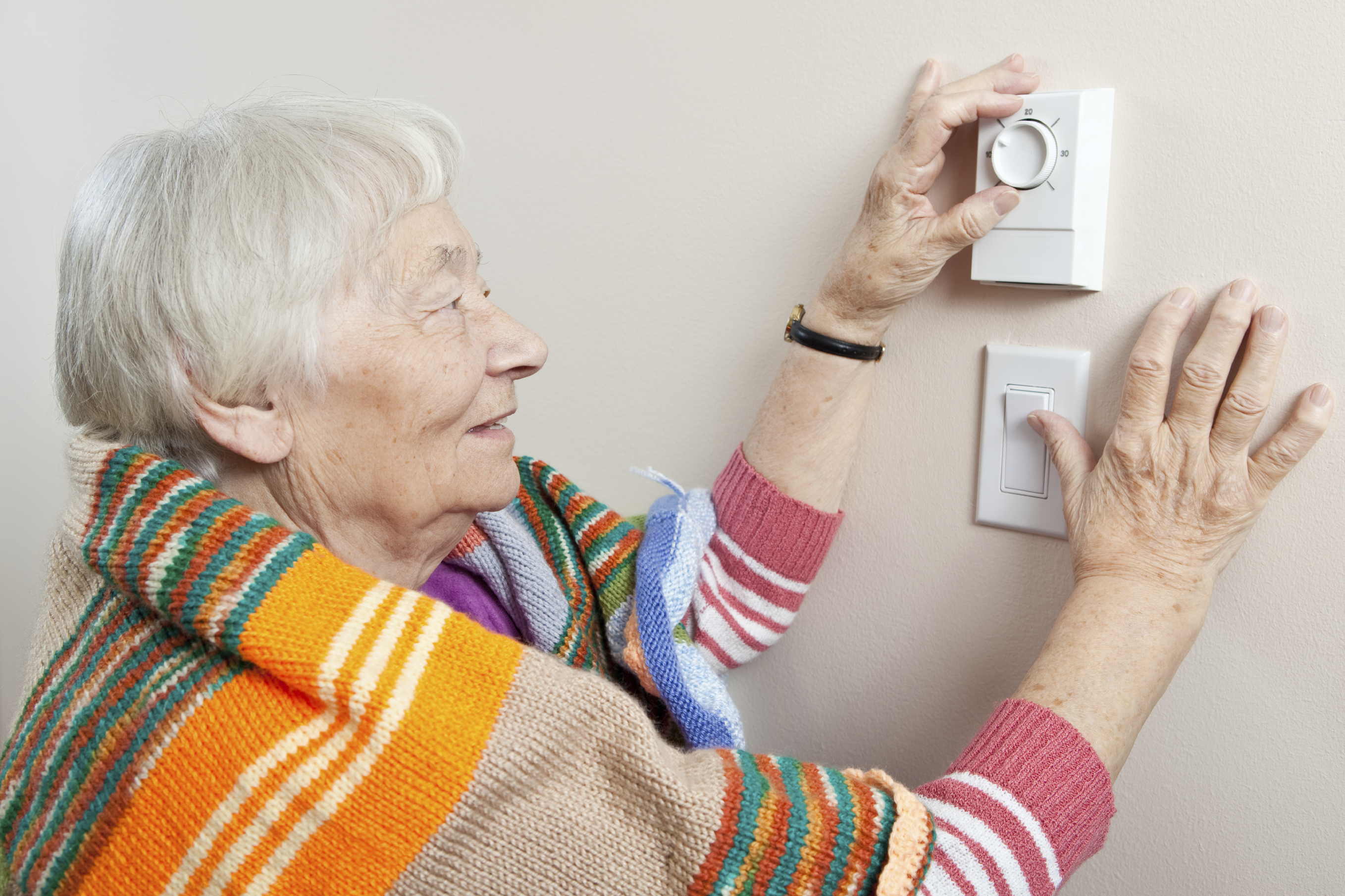
As we get older our bodies handle extremes of temperature differently; elderly people are particularly vulnerable during cold weather. Keeping warm is vital to protect against a chest infection, stroke or heart attack. All of which are more common in the winter. There are plenty of things that you can do for yourself or for elderly relatives in winter to keep warm and healthy:

CENTRAL HEATING – whatever the heating system make sure it is in good working order. Have it serviced on an annual basis to ensure it’s running safely and efficiently. Never block air vents and if you have wood-burning, coal or gas heaters make sure there’s adequate ventilation.

RECOMMENDED TEMPERATURES – a main living room should be around 70°F (21°C), and the rest of the home should be heated to at least 64°F (18°C). Check thermostats to monitor the temperature but if you feel cold, turn the heat up regardless of what it reads.

WINDOWS – close curtains as soon as it gets dark. Having a thermal lining inside curtains can really help to keep the heat in. Many people sleep with their bedroom windows open all year around, but breathing in cold air can increase the risk of a chest infection. When bad weather strikes keep bedroom windows closed at night.

WARMTH AT NIGHT – electric blankets are a godsend for the elderly, but these also need servicing, at least once every three years. If it’s really, really cold, wear your warmest clothes to bed, including a hat to avoid losing heat through your head.

WARMTH DURING THE DAY – wear lots of layers, including thermals and keep your feet warm in cosy slippers with non-slip soles. Clothes made from wool or fleecy synthetic fibres such as polyester are a better choice than cotton. Start with thermal underwear, warm tights or socks.

KEEP CUPBOARDS WELL STOCKED – keep a range of cold and flu remedies in the house. The last thing you should be doing is venturing out in the cold to visit the chemist when you are already unwell. Order repeat prescriptions in plenty of time, particularly if bad weather is forecast, or ask your local chemist if they offer a prescription pick-up and delivery service. Make sure you also keep a good stock of tinned and dried foods, such as pasta and jars of pasta sauce in the house, so you’ve always got a meal. Loaves of bread and even a pint of milk can be frozen if you decant it into a larger container.

POWER CUTS – it’s a good idea to have a battery-operated radio and torch to hand in case of a power cut and keep your phone or tablet fully charged so you can use the battery power if there’s no electricity.

FINANCIAL SUPPORT – are you entitled to any help to pay heating bills? Are you or your elderly relative entitled to and receiving the Government’s Winter Fuel Payment? For more information and guidance, take a look at the Government’s Warm this Winter advice.

Most important of all is to keep a close eye on relatives and elderly neighbours. It can be hard to keep spirits up during the winter, even for the spriteliest of people – so having regular visitors can do wonders.

If you are concerned about your elderly relative during the winter months, please don’t hesitate to get in touch with our team to find out more about how a live-in carer could help. Visit our website www.otusliveincare.com, call us on 01403 710119 or email [email protected].

CARING AT CHRISTMAS

IT’S ‘THE MOST WONDERFUL TIME OF THE YEAR’, BUT NOT FOR EVERYONE

otus1
We can’t believe how quickly this year has flown by, and that this is our last blog for 2015! It has been a busy year for everyone at Otus Live-In Care – particularly for all our registered live-in carers who have looked after our clients.

As it’s our last post of the year, we’d like to take the opportunity to express our thanks to all our registered carers for their hard work and dedication. It takes a special person to be a live-in carer – it can be very hard work – but we regularly receive feedback from our carers that they derive a lot of personal satisfaction too. So spare a thought and say a big ‘thank you’ to anyone who will be working over the festive season, looking after the elderly, keeping them safe and secure and giving up their own family Christmas.

Christmas can be a very tough time of year for older people. Especially for those living alone, with reduced mobility, and limited opportunity to get out of the house. Our clients tell us that one of the key benefits of opting for live-in care is knowing that a loved one has company and is not lonely. A live-in carer can also minimise the chance of someone having a fall or sustaining some other injury and being unable to summon help. Plus, the carers are on hand to pop into town to collect medications or shopping, to play a game of scrabble or just be a companion during the dark, winter evenings.

Sadly, at this time of the year, we are made more aware of loneliness and the elderly. Research has found that almost half a million elderly people will be spending Christmas on their own this year. The unfortunate truth is that for some people Christmas Day is just ‘another day’. Some may even have refused an invitation to a family gathering, or a friend’s house, for fear of ‘imposing’ or because they are worried that they will find the day too long and exhausting, or struggle to make conversation. Advertising campaigns portraying ‘perfect’ family gatherings only help to foster the feeling of isolation. But, there are things that we can all do to help the vulnerable in society to avoid feeling lonely during the festive period. On a personal level, you can spend time making sure that the older people in your community have somewhere to go on Christmas day, especially those who have lost their life partner. If you don’t feel it’s appropriate to extend an invitation to a big traditional Christmas meal, even a coffee and a chat in the run up to the big day, or between Christmas and New Year could be a lifesaver.

If you aren’t in a position to help personally, but you know of someone who might be suffering, it’s worth taking a look at the Community Christmas website communitychristmas.org.uk. Set up in 2011, Community Christmas is a charity, with the express purpose of bringing together individuals and organisations to provide companionship for the elderly on Christmas Day. The charity provides a national listing of events which are already planned for the elderly as well as guidance notes and telephone support to anyone wanting to set up an event in their own community. You might find that there is something already organised for older people in your area that you could suggest as a good place to visit.

If you have any concerns about a family member over the holiday period and think they could do with some extra care, please don’t hesitate to get in touch with our team for some ‘no obligation’ advice on 01403 710119 or email [email protected]. In the meantime, however you choose to celebrate the festive season, we wish you a wonderful, relaxing time and best wishes for 2016.