

HELP PROTECT AGAINST ILLNESS BY KEEPING WARM DURING THE COLD MONTHS
As we get older our bodies handle extremes of temperature differently; elderly people are particularly vulnerable during cold weather. Keeping warm is vital to protect against a chest infection, stroke or heart attack. All of which are more common in the winter. There are plenty of things that you can do for yourself or for elderly relatives in winter to keep warm and healthy:
CENTRAL HEATING – whatever the heating system make sure it is in good working order. Have it serviced on an annual basis to ensure it’s running safely and efficiently. Never block air vents and if you have wood-burning, coal or gas heaters make sure there’s adequate ventilation.
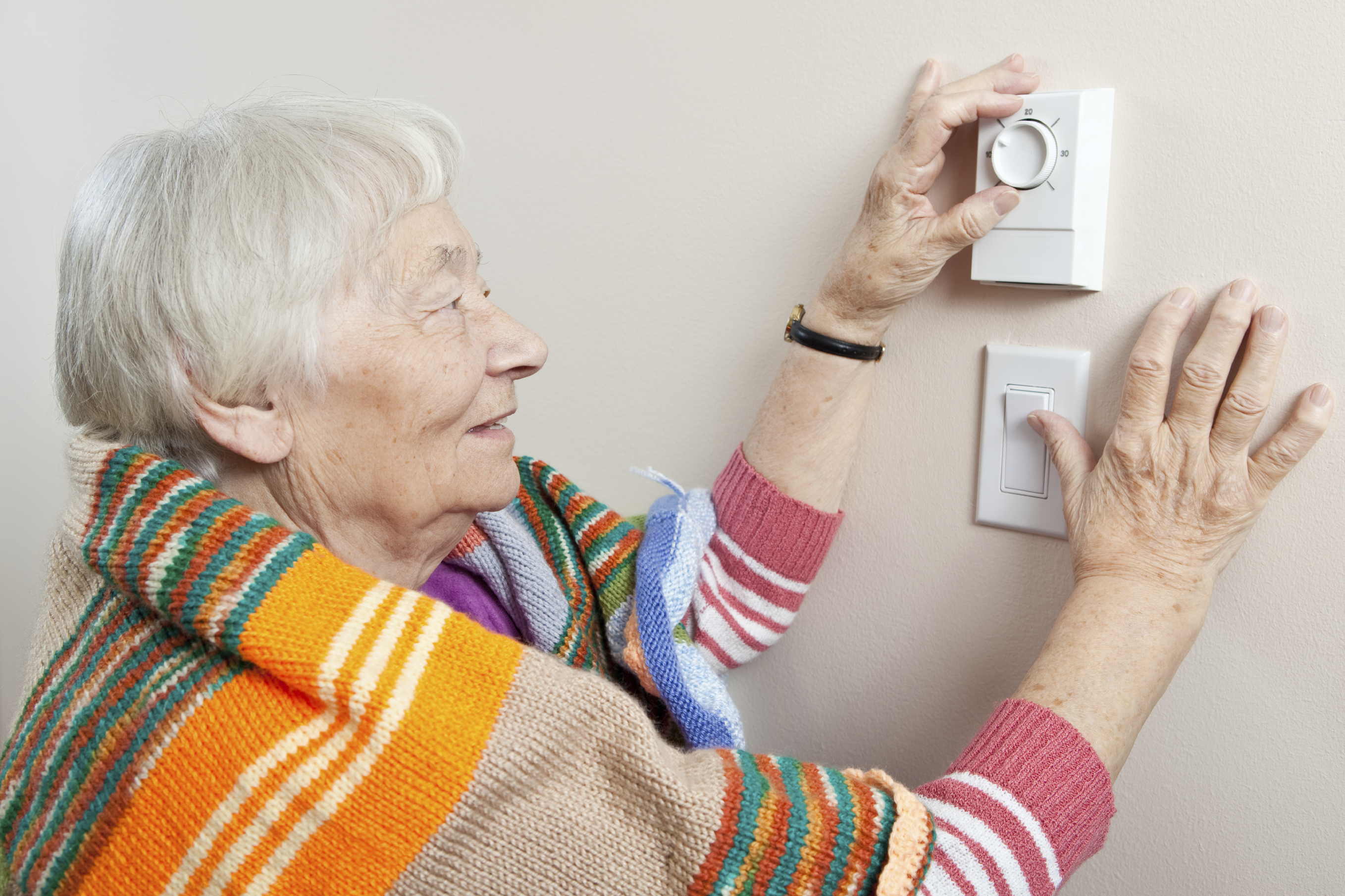
RECOMMENDED TEMPERATURES – a main living room should be around 70°F (21°C), and the rest of the home should be heated to at least 64°F (18°C). Check thermostats to monitor the temperature but if you feel cold, turn the heat up regardless of what it reads.
WINDOWS – close curtains as soon as it gets dark. Having a thermal lining inside curtains can really help to keep the heat in. Many people sleep with their bedroom windows open all year around, but breathing in cold air can increase the risk of a chest infection. When bad weather strikes keep bedroom windows closed at night.
WARMTH AT NIGHT – electric blankets are a godsend for the elderly, but these also need servicing, at least once every three years. If it’s really, really cold, wear your warmest clothes to bed, including a hat to avoid losing heat through your head.
WARMTH DURING THE DAY – wear lots of layers, including thermals and keep your feet warm in cosy slippers with non-slip soles. Clothes made from wool or fleecy synthetic fibres such as polyester are a better choice than cotton. Start with thermal underwear, warm tights or socks.
KEEP CUPBOARDS WELL STOCKED – keep a range of cold and flu remedies in the house. The last thing you should be doing is venturing out in the cold to visit the chemist when you are already unwell. Order repeat prescriptions in plenty of time, particularly if bad weather is forecast, or ask your local chemist if they offer a prescription pick-up and delivery service. Make sure you also keep a good stock of tinned and dried foods, such as pasta and jars of pasta sauce in the house, so you’ve always got a meal. Loaves of bread and even a pint of milk can be frozen if you decant it into a larger container.
POWER CUTS – it’s a good idea to have a battery-operated radio and torch to hand in case of a power cut and keep your phone or tablet fully charged so you can use the battery power if there’s no electricity.
FINANCIAL SUPPORT – are you entitled to any help to pay heating bills? Are you or your elderly relative entitled to and receiving the Government’s Winter Fuel Payment? For more information and guidance, take a look at the Government’s Warm this Winter advice.
Most important of all is to keep a close eye on relatives and elderly neighbours. It can be hard to keep spirits up during the winter, even for the spriteliest of people – so having regular visitors can do wonders.
If you are concerned about your elderly relative during the winter months, please don’t hesitate to get in touch with our team to find out more about how a live-in carer could help. Visit our website www.otusliveincare.com, call us on 01403 710119 or email [email protected].