


HOLD ON TO YOUR GARDEN, IF YOU CAN!
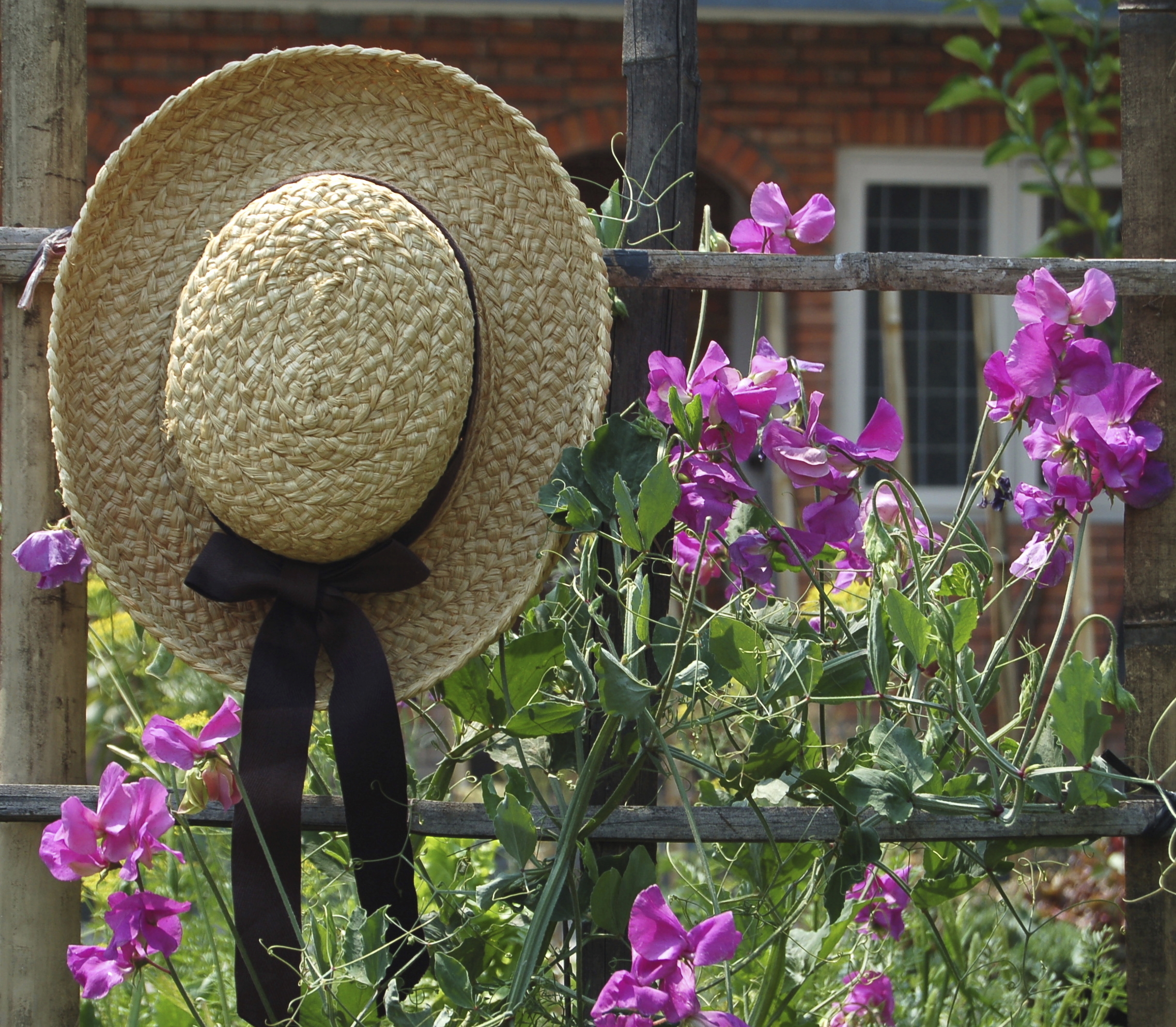
If you are responsible for taking care of an elderly or frail relative, at some stage you might be considering moving them away from their house with a garden into accommodation that doesn’t have any outside space. We want you to reconsider! We have seen lots of elderly people benefit from keeping their garden going as they get older. Yes, help is often needed to keep it in shape but pottering in the garden can have a really positive effect on health.
In the UK, a high proportion of older people, particularly women, suffer from osteoporosis. As you age, your bone density reduces, leaving you at risk of ‘crumbling’ bones or a fracture if you fall. Many factors increase your chance of developing osteoporosis, including smoking, a poor diet, an overactive thyroid, or the lack of ‘weight bearing’ exercise. Exercise that qualifies as ‘weight-bearing’ includes walking, Pilates, tennis, dancing and, you guessed it – gardening! It is the ideal way to try to maintain bone density as we age.
Getting out in the fresh air has other benefits too. Absorption of vitamin D – provided by exposure to sunlight – is vital for optimum health. Low levels of vitamin D are linked to a weakened immune system, emotional ups and downs, depression, anxiety, weak bones, auto immune diseases like Multiple Sclerosis and cancer. You can get vitamin D from food sources, such as mushrooms and eggs, but not in big enough doses to be effective. Ideally you should be aiming for 15-20 minutes of sun exposure (without sun screen), per day to maintain a healthy level of vitamin D. There is also research that shows physical, as well as visual access to nature helps people recover from illness quicker, can reduce stress and lower blood pressure. And, it turns out even the dirt under your fingernails may be working in your favour as well! The ‘friendly’ soil bacteria Mycobacterium vaccae — common in garden dirt and absorbed by inhalation or ingestion on vegetables — has been found to alleviate symptoms of psoriasis, allergies and asthma. It can also trigger the release of serotonin which in turn elevates mood and decreases anxiety.
The psychological effect of spending time growing flowers and vegetables should be a consideration too. Gardening is by its nature a cyclical process. Looking forward to the next growing season and planning what to plant is a massive help with getting through the long winter. When summer arrives, sitting in a deck chair looking at what you’ve achieved can be a massive happiness booster too!
Of course, not all of us are able to carry out tasks such as digging or mowing. But, just getting up out of the chair and moving around to do a bit of potting or pruning can have a beneficial effect on our bones and our general circulation, joint flexibility and health.
Helping and encouraging you to be active, getting out into the fresh air and even helping in the garden are all things that a live-in carer can do. As well as helping to tend a garden, a live-in carer can escort you on trips to a garden centre to buy what you need, take you out for the day to visit local stately homes and gardens to see how the professionals do it. At Otus Live-in Care, we supply experienced and skilled live-in carers. We also focus on making sure we introduce clients and carers who are compatible, so that you can do things that you both enjoy.
For more information on our live-in care services, please call us on 01403 710119. Our team is always happy to answer questions you might have about how live-in care could help you or an elderly relative, without obligation.